High-Efficiency FRP Scrubbers for Air Pollution Control
Advanced gas cleaning and fume removal systems tailored for industrial applications. Engineered for absolute corrosion resistance and superior environmental protection.
Request Quote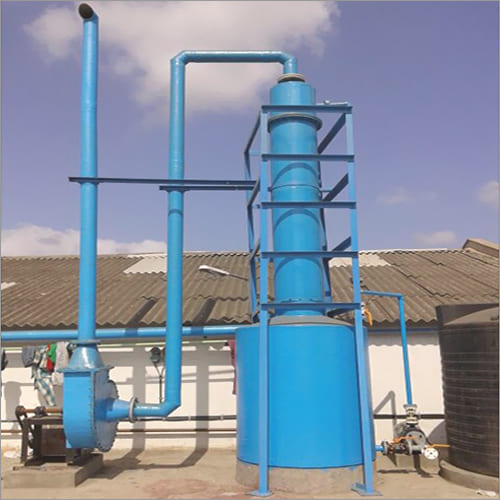
About FRP Scrubbers
What is an FRP Scrubber? An FRP (Fiberglass Reinforced Plastic) scrubber is an advanced air pollution control system designed to neutralize and remove toxic fumes, acidic vapors, and particulate matter from industrial exhaust streams before they are released into the atmosphere.
How it Works: Utilizing targeted scrubbing liquids, the system creates an optimal environment where harmful gases and pollutants undergo chemical absorption or physical separation, purifying the air efficiently.
Why FRP is Ideal: Compared to metal alternatives, FRP offers unmatched corrosion resistance, making it essential for handling highly acidic and reactive environments. It ensures immense structural durability while maintaining a lightweight and cost-effective profile.
Types of Scrubbers We Manufacture
Dry Scrubber
Dry Scrubbers are air pollution control systems that remove harmful gases and contaminants from industrial exhaust without the use of liquid. They utilize dry chemicals or adsorbent materials to neutralize or capture pollutants efficiently.
Wet Scrubber Systems
A comprehensive fume removal solution that utilizes various water or chemical sprays to wash suspended pollutants and volatile compounds from exhaust air.
Key Features
High Chemical Resistance
Impervious to aggressive acids, alkalis, and reactive solvents.
Efficient Gas Absorption
Engineered media increases mass transfer rates for 99%+ efficiency.
Corrosion-Free Body
FRP material ensures zero rusting, dramatically extending operational lifespan.
Low Maintenance
Self-cleaning designs and durable materials reduce downtime.
Technical Specifications
| Parameter | Specification Details |
|---|---|
| Air Flow Capacity | 500 CMH to 1,00,000+ CMH (Customizable) |
| Construction Material | FRP with Vinylester / Isophthalic / Bisphenol Resin |
| Packing Material | PP Pall Rings, Raschig Rings, or Tellerette (based on app) |
| Scrubbing Efficiency | Up to 99.5% depending on gas solubility |
| Pressure Drop | Optimized low pressure drop (< 50mm WC generally) |
Industrial Applications
Working Principle
Gas Introduction
Polluted industrial exhaust air is drawn into the lower section of the FRP scrubber vessel using an induced draft fan.
Liquid Contact
The gas rises upward through the packed bed media while a neutralizing scrubbing liquid is sprayed downward, creating maximum surface contact.
Pollutant Removal
Harmful gases and fumes are chemically absorbed or physically dissolved into the liquid droplets, effectively cleansing the air stream.
Clean Air Release
The purified air passes through a mist eliminator to remove moisture droplets before being safely discharged into the atmosphere.
Why Choose AKFRP ENTERPRISES
Custom Scrubber Design
We tailor our air pollution control systems precisely to your operational volume, emission types, and space constraints for optimal performance.
High Efficiency Systems
Our intelligent fluid dynamics and premium packing materials ensure up to 99.5% removal of harmful contaminants.
Quality Materials
We use only industry-grade, chemically resistant FRP resins and structural reinforcements to guarantee longevity and safety.
Reliable Performance
Rigorous quality checks and precision engineering ensure continuous, low-maintenance operation even in the harshest industrial conditions.
Frequently Asked Questions
How does an FRP scrubber remove harmful gases?
An FRP scrubber works by forcing the exhaust gas stream through a scrubbing liquid (usually water or a chemical reagent). The liquid absorbs, neutralizes, or physically captures the pollutants, fumes, and harmful gases, allowing clean air to be released into the environment.
What industries require scrubber systems?
Scrubber systems are essential in industries that generate corrosive fumes, toxic gases, or particulate matter. Common applications include chemical manufacturing plants, pharmaceutical facilities, metal processing units, fertilizer plants, and wastewater treatment facilities.
Related Content
Check out these handpicked recommendations just for you.